

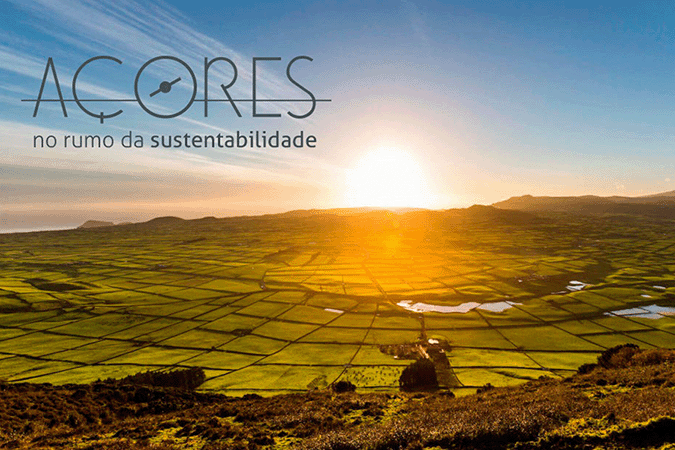

The Azores are the first archipelago in the world to achieve international certification as a sustainable destination. This certification was granted by EarthCheck, a certified entity accredited by the Global Sustainable Tourism Council (GSTC).
The Azores received this certification in December 2019, following a year-long evaluation process. The certification encompasses 12 key areas of sustainability including:
- Environmental protection: The Azores possess significant biodiversity, protected by a series of laws and regulations. The archipelago also follows a sustainable development policy aimed at safeguarding natural resources and environmental quality.
- Renewable energy: The Azores are among the world's leaders in renewable energy production. Geothermal, wind, and solar energy are significant sources of energy in the archipelago.
- Waste reduction: The Azores achieve a waste recycling rate of over 80%. The archipelago also has a waste reduction policy designed to minimize the amount of waste produced.
- Environmental education: The Azores government promotes environmental education in schools and communities to raise awareness of sustainability.
The sustainable tourist destination certification is a recognition of the quality of the work carried out by the Azores in the field of sustainability. It also serves as an incentive for the archipelago to continue investing in this area, becoming an increasingly sustainable tourist destination. With the goal of making the archipelago 100% sustainable, the "Sustainability Handbook of the Azores", an initiative launched in 2017, was developed. The handbook is a guide for all sectors of society, including the public, private, and associative sectors, to adopt sustainable practices in their daily lives.
The handbook is divided into five stages:
- Awareness: Dedicated to raising awareness of the importance of sustainability.
- Empowerment: Aims to provide people with the tools and knowledge necessary to adopt sustainable practices.
- Prioritization: Focused on defining priorities and objectives for the implementation of sustainable practices.
- Engagement: Aims to promote the participation of all sectors of society in the implementation of sustainable practices.
- Reporting: Devoted to reporting the results of the implementation of sustainable practices.
Thus, the Sustainability Handbook of the Azores is an important tool for the sustainable development of the archipelago, providing a framework for all sectors of society to work together in creating a more sustainable archipelago.
 EN
EN  PT
PT
0 Comment